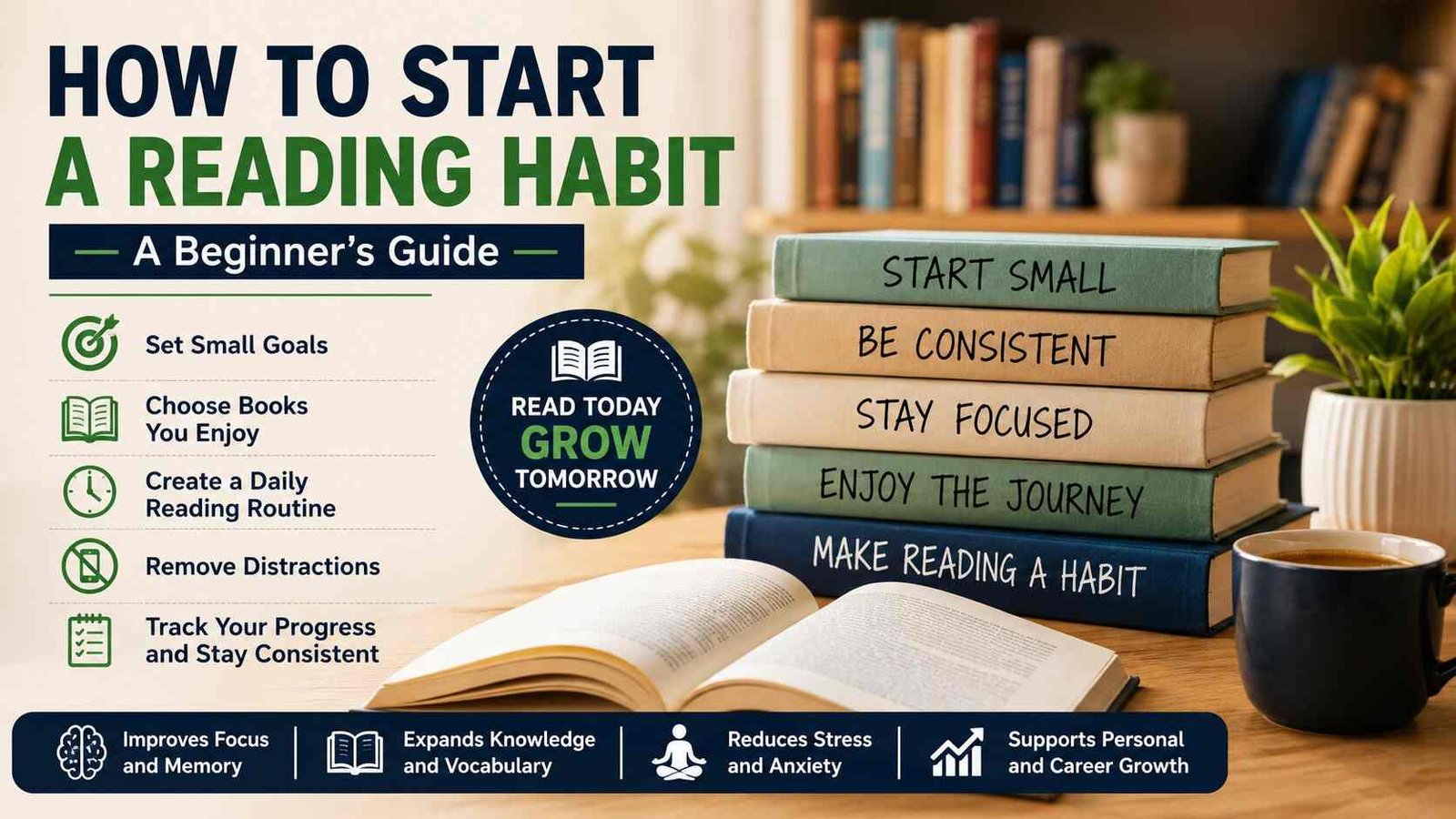
How to Start a Reading Habit
If you’ve ever wanted to read more books but struggled to stay consistent, you’re not alone. Many people start with good intentions but lose motivation after a few days or weeks. The good news is that building a reading habit doesn’t require hours of free time or complicated techniques. Small, consistent steps can make reading a natural part of your daily routine.
Learning how to start a reading habit can improve your knowledge, vocabulary, focus, creativity, and even reduce stress. Whether you’re a student, professional, or simply someone who wants to read more, creating a sustainable reading routine can benefit every area of your life.
In this guide on EmararSmart.com, you’ll discover practical strategies to build a reading habit, stay motivated, choose the right books, and make reading enjoyable for the long term.
Quick Facts About Reading Habits
| Feature | Details |
|---|---|
| Best Time to Read | Morning, lunch break, or before bed |
| Daily Reading Goal | 15–30 minutes for beginners |
| Best Starting Point | Books that match your interests |
| Reading Formats | Printed books, eBooks, and audiobooks |
| Main Benefits | Better focus, vocabulary, knowledge, and reduced stress |
| Habit Building Tip | Read at the same time every day |
| Beginner Goal | One chapter or 10–20 pages daily |
Quick Tip: Don’t aim to finish an entire book quickly. Instead, focus on reading every day, even if it’s only for 15 minutes. Consistency builds the habit.
Why Is Reading Important?
Reading is more than just a hobby. It helps you learn new ideas, improve communication skills, expand your vocabulary, and strengthen your ability to think critically.
Some of the biggest benefits include:
- Expands knowledge
- Improves vocabulary
- Strengthens memory
- Enhances concentration
- Reduces stress
- Encourages creativity
- Develops critical thinking
- Improves writing skills
- Supports lifelong learning
Reading regularly can also help students perform better in school and professionals stay informed in their careers.
Why Many People Struggle to Read Regularly
Starting a reading habit can be difficult because of modern distractions and busy schedules.
Common reasons include:
- Spending too much time on social media
- Watching television or streaming services
- Choosing books that don’t match personal interests
- Setting unrealistic reading goals
- Lack of a daily routine
- Feeling too busy
- Difficulty concentrating
Understanding these challenges is the first step toward overcoming them.
Step 1: Set a Small Reading Goal
One of the biggest mistakes beginners make is trying to read too much too quickly.
Instead of aiming to read 100 pages a day, start with:
- 10 pages daily
- One chapter each day
- 15 minutes of reading every evening
Small goals are easier to achieve and help build consistency.
Step 2: Choose Books You Enjoy
Your first few books should be interesting and enjoyable.
Choose topics you already like, such as:
- Personal development
- Business
- Technology
- Biography
- Mystery
- Science fiction
- History
- Health
- Self-improvement
- Islamic books
- Travel
- Education
When you enjoy the subject, reading feels less like a task and more like entertainment.
Step 3: Create a Reading Routine
Habits become stronger when they are connected to an existing routine.
Good times to read include:
- After breakfast
- During lunch breaks
- While commuting (audiobooks)
- Before bedtime
- After work
- Early morning
Reading at the same time every day helps your brain expect and remember the habit.
Step 4: Keep a Book Nearby
Make reading as convenient as possible.
Carry:
- A paperback book
- An eBook on your phone
- A Kindle or e-reader
- An audiobook app
Having easy access means you can read during short breaks throughout the day.
Step 5: Remove Distractions
Create an environment that helps you focus.
Try to:
- Silence phone notifications.
- Turn off the television.
- Find a quiet place.
- Use headphones if necessary.
- Keep your reading space organized.
Even 15 minutes of distraction-free reading can make a difference.
Step 6: Replace Screen Time With Reading
One of the easiest ways to build a reading habit is to replace a small amount of screen time with reading.
For example:
- Read for 20 minutes instead of scrolling through social media.
- Read before bed instead of watching TV.
- Read while waiting for appointments.
- Listen to an audiobook during your commute or exercise.
Over time, these small changes can help you finish several books each year.
Step 7: Track Your Progress
Keeping track of your reading can motivate you to stay consistent.
You can record:
- Books you’ve finished
- Pages read each day
- Daily reading time
- Favorite quotes
- New words you’ve learned
- Reading goals for the month
Watching your progress grow can encourage you to continue.
Step 8: Join a Reading Community
Reading doesn’t have to be a solo activity.
Joining a book club or reading group allows you to:
- Discuss books with others
- Discover new authors
- Stay motivated
- Share recommendations
- Learn different perspectives
You can also participate in online reading communities if you prefer.
Step 9: Don’t Force Yourself to Finish Every Book
Many people stop reading because they choose books they don’t enjoy.
If a book doesn’t interest you after giving it a fair chance, it’s okay to choose another one.
The goal is to develop a lifelong reading habit—not to finish every book you start.
Step 10: Celebrate Small Wins
Reward yourself when you reach reading milestones.
Examples include:
- Finishing your first book
- Reading every day for a week
- Completing a monthly reading goal
- Learning something new from a book
Celebrating progress helps reinforce positive habits.
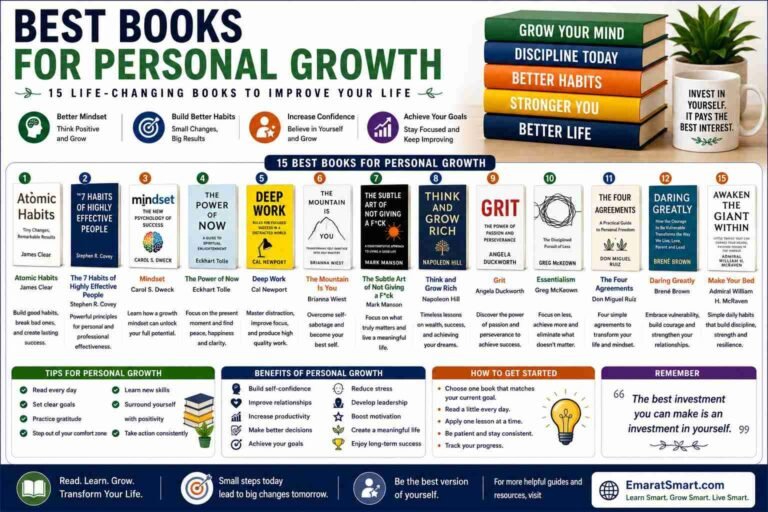
Best Books for Beginners
If you’re just starting, choose books that are engaging and easy to read.
Popular categories include:
- Personal development
- Productivity
- Biography
- Business
- Self-improvement
- Health and wellness
- History
- Technology
- Fiction
- Islamic studies
Selecting books that genuinely interest you makes it much easier to stay consistent.
Common Mistakes to Avoid
Many beginners unintentionally make reading harder than it needs to be.
Avoid these common mistakes:
- Setting unrealistic reading goals
- Choosing books because they’re popular rather than interesting
- Trying to read for hours on the first day
- Reading only when you “feel motivated”
- Comparing your reading speed with others
- Giving up after missing a few days
Remember, consistency is more important than speed.
Benefits of Building a Reading Habit
Developing a regular reading routine offers long-term benefits.
Reading regularly can help you:
- Improve concentration
- Increase knowledge
- Expand your vocabulary
- Develop stronger communication skills
- Reduce stress
- Improve memory
- Think more critically
- Become a better writer
- Continue learning throughout life
Even 15–20 minutes of reading each day can add up to several books over a year.
How Long Does It Take to Build a Reading Habit?
There is no fixed timeline, as everyone develops habits at a different pace.
The key is to:
- Read consistently.
- Keep your goals realistic.
- Make reading part of your daily routine.
- Be patient if you miss a day.
Progress matters more than perfection.
Official Resource: UNESCO Literacy – https://www.unesco.org/en/literacy
Safety Note
Reading should be enjoyable, not stressful. Avoid setting goals that feel overwhelming or comparing yourself to others. If you have difficulty concentrating or experience vision-related discomfort while reading, consider taking regular breaks and consult an eye care professional if needed.
Frequently Asked Questions
How to Start a Reading Habit if I Don’t Like Reading?
Start with books or topics that genuinely interest you. Read for just 10–15 minutes a day instead of forcing yourself to finish long books. The more enjoyable the material, the easier it is to build the habit.
How many minutes should I read every day?
For beginners, 15–30 minutes a day is a realistic goal. Once reading becomes part of your routine, you can gradually increase your reading time.
Is it better to read in the morning or at night?
The best time is whenever you can be consistent. Many people enjoy reading in the morning to start the day with focus, while others prefer reading before bed to relax.
Should I read physical books or eBooks?
Both are excellent options. Physical books offer a traditional reading experience, while eBooks are convenient because you can carry multiple books on one device. Choose the format that fits your lifestyle.
Are audiobooks considered reading?
Audiobooks are a great way to learn and enjoy books, especially while commuting, exercising, or doing household tasks. They can also complement your regular reading habit.
How many books should I aim to read each year?
Quality is more important than quantity. Reading one book every month is a great goal for beginners, but even a few meaningful books each year can have a positive impact.
What should I do if I miss a few days?
Don’t let a short break discourage you. Simply start reading again the next day. Missing a day doesn’t mean you’ve failed—the goal is to stay consistent over time.
Can reading improve my vocabulary?
Yes. Regular reading introduces you to new words, phrases, and writing styles, helping you communicate more effectively in both speaking and writing.
Does reading help students perform better in school?
Yes. Reading regularly improves comprehension, concentration, critical thinking, vocabulary, and writing skills, all of which support better academic performance.
How can parents encourage children to develop a reading habit?
Parents can make reading enjoyable by reading together, creating a daily reading routine, providing age-appropriate books, and limiting screen time during reading hours. Praising children for their progress can also help build a lifelong love of reading.
Final Tips for Building a Lifelong Reading Habit
Building a reading habit is not about reading as many books as possible—it’s about making reading a regular and enjoyable part of your daily life.
Remember these simple tips:
- Start with small daily goals.
- Read books that genuinely interest you.
- Create a consistent reading schedule.
- Keep a book or eBook with you.
- Reduce screen time where possible.
- Track your reading progress.
- Don’t worry if you skip a day—just continue.
- Focus on learning and enjoyment rather than speed.
Over time, these small habits can lead to significant personal growth and a lifelong love of reading.
Conclusion
Learning how to start a reading habit is one of the best investments you can make in yourself. Reading helps expand your knowledge, improve your vocabulary, strengthen your focus, and develop critical thinking skills that benefit both your personal and professional life.
The secret isn’t reading for hours every day—it’s reading consistently. By setting realistic goals, choosing books you enjoy, and making reading part of your daily routine, you’ll gradually turn it into a lasting habit.
Whether you’re a student, a working professional, or simply someone who wants to learn something new every day, starting a reading habit today can have lifelong rewards.
For more practical education tips, learning guides, and self-improvement articles, keep visiting EmaratSmart.com.